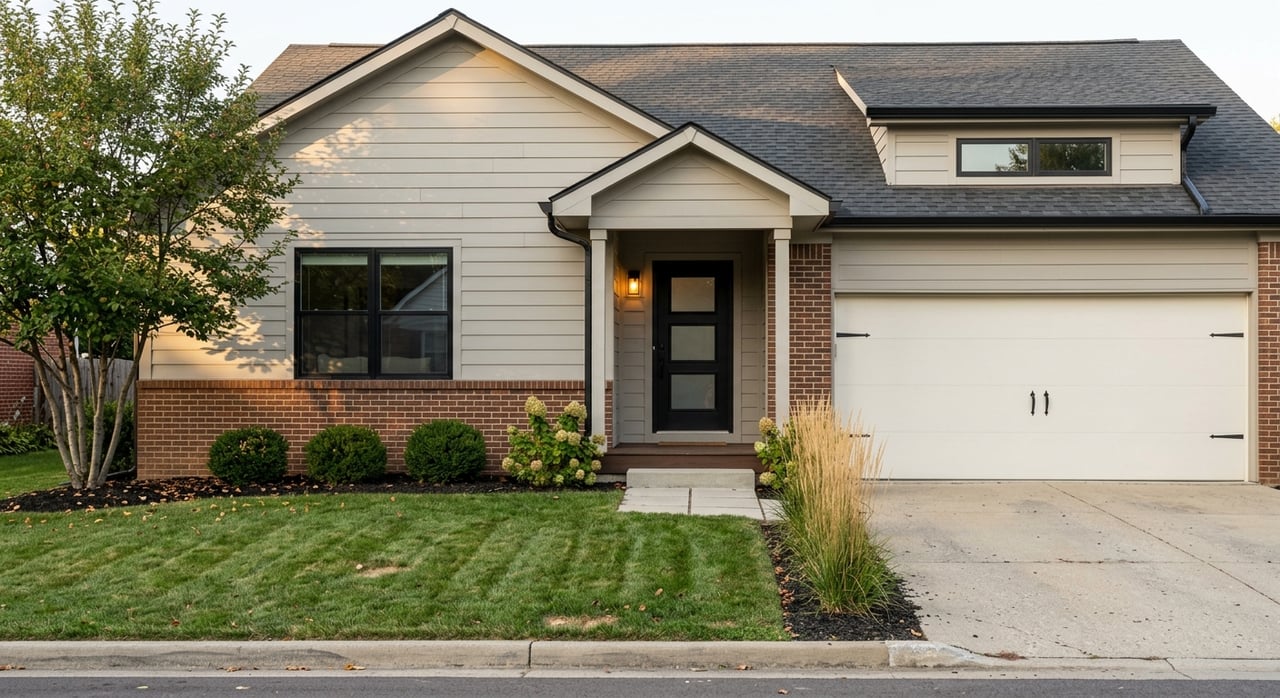
What A Realistic Homebuying Timeline Looks Like In Avon
April 2, 2026
April 2, 2026
Buying a home in Avon can feel like everything needs to happen at once. You want to move quickly when the right house appears, but you also do not want to rush big financial decisions. The good news is that a realistic timeline is easier to manage when you know which steps move fast, which ones tend to stretch out, and where delays usually happen. Let’s dive in.
If you are buying in Avon, it helps to think about the process in three main phases:
That general range lines up with current market snapshots in Avon. Local data shows homes can spend anywhere from 36 to 87 days on market, depending on the source and timing, which is a good reminder that the shopping phase can move quickly or take longer based on pricing, inventory, and your criteria. According to Realtor.com’s Avon market page, timing can vary even within the same local market.
Before you start touring homes seriously, you will usually want a preapproval letter. Sellers often expect one before accepting an offer, and the CFPB notes that many buyers get preapproved once they are ready to shop in earnest. It is important to remember that preapproval is not a final loan guarantee.
The timing here is often short. Preapproval may take one or several days, depending on your lender and how quickly you provide documents. Once you submit a mortgage application, lenders must provide a Loan Estimate within three business days, giving you an early chance to compare costs and terms. The CFPB explains the Loan Estimate timeline here.
To help this phase move faster, be ready to share documents your lender may request, such as:
A little preparation can save several days at the start of your timeline.
If you are comparing lenders, try to keep mortgage shopping within a 45-day window. Freddie Mac recommends this approach because it can help limit the impact on your credit score. Also keep in mind that preapproval letters often expire after 30 to 60 days, so timing matters if your search takes longer than expected.
This is usually the most unpredictable part of the timeline. Nationally, Freddie Mac says the typical buyer looks at about 10 homes over 10 weeks before choosing one. In Avon, your search may be shorter or longer depending on what you need, how flexible you are, and what is available when you start looking.
If you are focused on a well-priced home in a competitive price range, your search could move fast. If you want a very specific layout, condition level, lot size, or renovation profile, it may take longer. That is why many buyers find the shopping phase is the part that requires the most patience.
A few factors can change your pace in Avon:
This is where practical advice matters. If a home needs updates, you want to know whether those updates are cosmetic, costly, or likely to affect financing. Having clear guidance can help you avoid wasting time on homes that do not fit your budget or goals.
Once you find the right home, the pace often speeds up. Freddie Mac’s homebuying timeline notes that getting to an offer agreement usually takes about 1 to 2 days. In a competitive situation, that window can be even shorter.
This means you should be ready before the right listing appears. If your preapproval is current, your budget is clear, and you know your priorities, you can make a confident decision without scrambling.
You can usually respond more effectively when you already know:
That kind of preparation keeps the process from feeling rushed, even when the timeline is quick.
After your offer is accepted, the process becomes more structured. The first major step is usually the home inspection. The CFPB says you should schedule the inspection as soon as possible after contract acceptance.
The inspection itself usually takes 2 to 3 hours, and results may take about two more days. The CFPB’s inspection guidance also points out that an inspection is different from an appraisal, and financed purchases often involve both.
The appraisal can take up to two weeks, according to Freddie Mac. If the inspection or appraisal uncovers major repair issues, your timeline can stretch because repairs, negotiations, or lender conditions may need to be resolved before closing.
This is one reason buyers benefit from practical property guidance. A home may still be a strong fit, but the condition details can affect how smoothly your purchase moves forward.
For financed purchases, the contract-to-close period usually lands around 30 to 45 days, though a broader range of 30 to 60 days is realistic depending on the loan and due diligence. During this stretch, your lender may keep asking for updated documents, explanations, or confirmations.
This is normal, but it can feel repetitive if you are not expecting it. Staying responsive is one of the best ways to keep your closing on track.
Several steps happen in the final weeks:
Fannie Mae explains what to expect at closing, and the CFPB outlines the rules around the Closing Disclosure review period.
Closing day is often less dramatic than buyers expect, but it still takes time. The CFPB notes that paperwork can take a few hours, and your final walk-through is your chance to confirm the home is in the agreed condition and any completed repairs are done. Here is the CFPB’s closing overview.
In most transactions, the house-hunting phase is the least predictable. Once you are under contract, the timeline usually becomes more manageable, but delays can still happen.
The most common issues include:
The CFPB and Fannie Mae both stress that buyers should avoid opening new credit accounts, making large purchases, or switching jobs during the closing process. Even a change that seems unrelated can create problems for final loan approval.
You do not need to control every variable to keep your purchase moving. You just need a plan for the steps that matter most.
Here are a few smart ways to stay on track:
These habits reduce avoidable delays and help you stay calm when the process gets busy.
If you are trying to plan a lease ending, a job change, or a move across Northern Ohio, the safest assumption is this: the search phase is variable, but the under-contract phase is usually more predictable. That makes it smart to build flexibility into your plans, especially before you have a contract in place.
For many Avon buyers, a practical expectation looks like this: a few days for preapproval, several weeks to find the right home, and roughly one to two months from accepted offer to closing. Some purchases move faster. Others take longer. The key is understanding that a realistic timeline is not just about speed. It is about staying prepared at every stage.
If you are planning a move and want straightforward guidance from a local advisor who values clear communication and practical decision-making, reach out to Edward Haynes to talk through your next steps.
Explore Ed’s latest advice, local updates, and expert tips to make smart decisions when buying, selling, or investing in real estate.



Experience the difference of working with a trusted advisor who puts your goals first and delivers results.

EDWARD HAYNES
ADDRESS 237 W WASHINGTON ROW SANDUSKY OH 44870