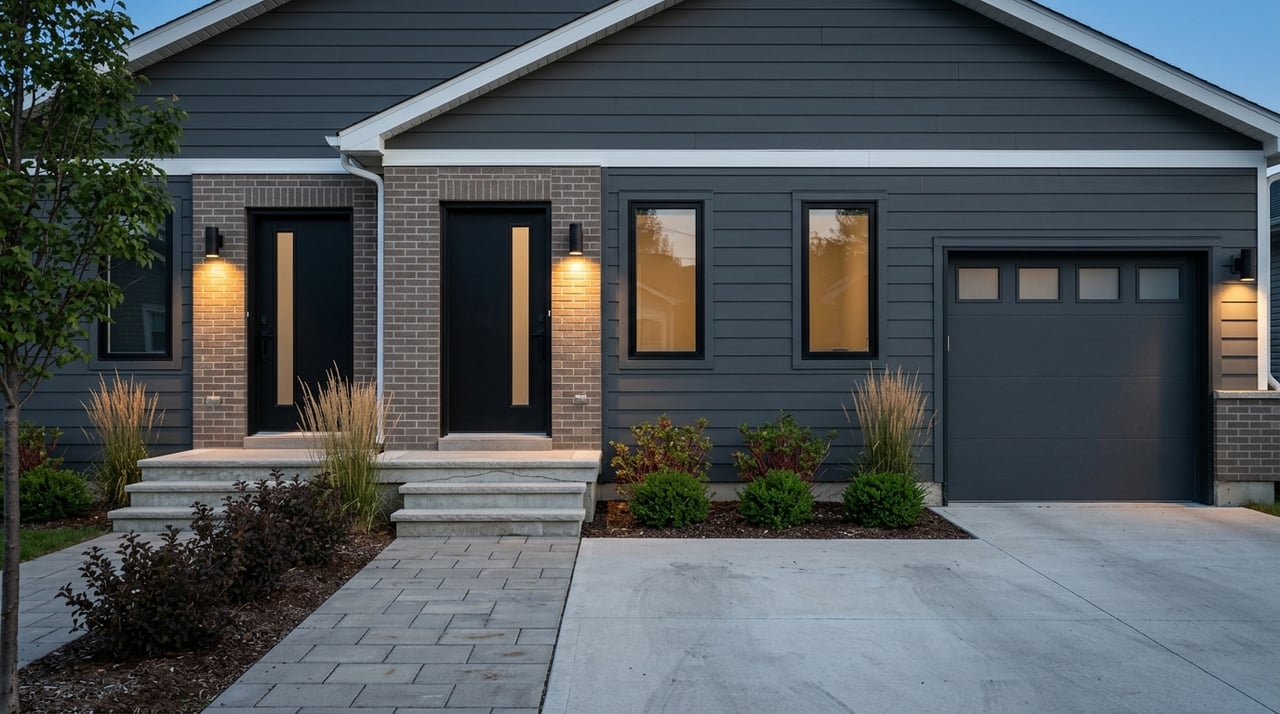
Considering A Second Home Or Rental Property In Huron
May 14, 2026
May 14, 2026
Are you thinking about buying a place in Huron that can double as your getaway and bring in rental income too? That idea can be exciting, especially in a Lake Erie market known for beaches, marinas, boating, and summer activity. But in Huron, the numbers and rules matter just as much as the view, and a smart plan starts with understanding seasonality, local registration requirements, and real carrying costs. Let’s dive in.
Huron has obvious appeal if you want a lake-oriented property. City materials highlight the beaches, marinas, boat launches, harbor, and the Huron River, all of which support a strong seasonal waterfront lifestyle.
That same appeal can also drive rental interest during the warmer months. If you are looking at a second home or a property with optional short-term rental use, Huron offers the kind of setting that tends to be most active from spring through early fall.
One of the biggest things to know about Huron is that demand is not likely to be flat all year. City documents describe seasonal dock holders as those docking from April 15 to October 15, and they also identify the Boat Basin amphitheater as a focal point for Riverfest, the Irish Festival, and other summertime events that draw thousands of tourists and boaters.
In plain terms, that means you should expect the strongest use and rental potential during warm-weather months and event weekends. Off-season demand may be lighter, so it is wise to underwrite conservatively instead of assuming steady year-round occupancy.
If the property is mainly for your own use, the key question is simple: does the annual cost still feel worth it when you may use it most heavily in one part of the year? A lake property can absolutely make sense for lifestyle reasons, but it helps to be honest about how often you will really be there.
If the property is meant to produce income, seasonality should shape your entire budget. Your projections should leave room for slower months, guest turnover gaps, and more uneven booking patterns than you might see in a less seasonal market.
If you plan to rent the property on a transient basis, this step comes before everything else. Huron’s 2026 transient rental application says every transient rental property must have a registration certificate before it can be used, advertised, listed with a hosting platform, or otherwise made available for transient use.
The same city application states that the annual fee is $400 per unit, re-inspections are $50, the certificate is valid for 12 months, and an inspection is required within 14 days of application. It also says the certificate must be displayed.
Huron’s application also says transient rentals are allowed only in specific zoning districts. On top of that, the city has capped transient rentals at 165.
That means a home is not automatically a good short-term rental candidate just because you like the location or the layout. Before you make an offer, you need to confirm whether the property’s zoning works for your intended use and whether the city’s current cap affects your plans.
The city application notes that HOA documents may need to be reviewed. If the property is in a neighborhood or community association, those private rules may place additional limits on rental activity.
This is one of the easiest places for buyers to make a costly assumption. A property can look great on paper, but if the use does not line up with local or association rules, your rental strategy may not work.
If you plan to host transient guests, taxes are part of the deal math. Huron’s lodging-tax code imposes a 3 percent city tax on lodging furnished to transient guests, and Erie County says its lodging tax is 4 percent, while also noting that additional municipal tax can apply.
A practical working assumption is that transient stays may face layered lodging taxes totaling about 7 percent before any platform-specific handling or exemptions. Even so, you should verify the exact treatment with the city and county before relying on a projection.
A second home or rental property can look affordable at first glance, then get more expensive once you account for the full ownership picture. In Huron, property taxes alone can be a meaningful line item.
Erie County explains that Ohio property tax starts with assessed value equal to 35 percent of appraised value, and one mill equals $1 per $1,000 of assessed value. The county’s current rate sheet lists Huron City at 89.295 mills, which means a $250,000 property would generate about $7,813 in gross annual tax before credits and parcel-specific adjustments.
This is especially important if you plan to rent the property. Erie County says the owner-occupied tax credit does not apply to rental homes or apartments, homes occupied by someone other than the owner, or homes owned by corporations, partnerships, associations, or groups.
So if your plan includes rental use, your numbers should not assume owner-occupied treatment. That can make a real difference in your annual expense forecast.
Your worksheet should go beyond the mortgage payment. A realistic ownership budget should include:
In a seasonal lake market, vacancy and turnover should be modeled conservatively. If the property still works with realistic assumptions, you are looking at a much stronger opportunity.
Huron’s lake setting is part of the draw, but it also creates maintenance demands that inland buyers may underestimate. City documents note that strong northeasterly winds can produce 13 to 15 foot waves that affect beaches and waterfront properties.
That is a strong reminder to budget for storm prep, moisture management, and more frequent exterior upkeep. A property near the water may need a more active maintenance plan than a typical suburban second home.
If the home will be used as a transient rental, practical furnishing choices matter. Because the city requires inspection-based registration and annual renewal, it makes sense to focus on durable finishes, easy-clean furniture, spare linens, secure owner storage, and items that can be replaced quickly if damaged.
This is where a practical eye helps. You do not need to overbuild the property, but you do want a setup that can hold up to guest use, seasonal moisture, and repeat turnover.
If you will not be nearby year-round, you need a plan for the basics. The city’s transient rental materials point to the importance of local help for inspections, turnover, and storm-related issues.
That could mean a local contact or a property manager. Either way, someone needs to be able to respond when weather, guest issues, snow, or maintenance needs come up.
Before you move forward, make sure you can answer these clearly:
These questions can help you separate a property that is genuinely workable from one that only looks good in a quick online search.
The cleanest test is this: does the property still work if occupancy is seasonal, lodging taxes apply, owner-occupied credits do not apply, and you carry a realistic reserve for repairs and vacancy? If the answer is yes, it may be a solid fit as a second home with optional rental use.
If the answer is no, that does not always mean you should walk away. It may simply mean you should view it as a personal-use lake property first, rather than an income-producing investment.
In a market like Huron, buying well is not just about finding a nice house near the water. It is about matching the property to your real goals, pressure-testing the numbers, and spotting issues that can affect use, upkeep, and long-term value.
That is where practical advice matters. If you are comparing second homes, rental options, or value-add opportunities, it helps to work with someone who understands both the local lakeshore market and the real-world condition questions that can shape your budget after closing.
If you want help evaluating a Huron property with a clear, practical lens, reach out to Edward Haynes for guidance grounded in local experience and straightforward deal analysis.
Explore Ed’s latest advice, local updates, and expert tips to make smart decisions when buying, selling, or investing in real estate.
Experience the difference of working with a trusted advisor who puts your goals first and delivers results.

EDWARD HAYNES
ADDRESS 237 W WASHINGTON ROW SANDUSKY OH 44870