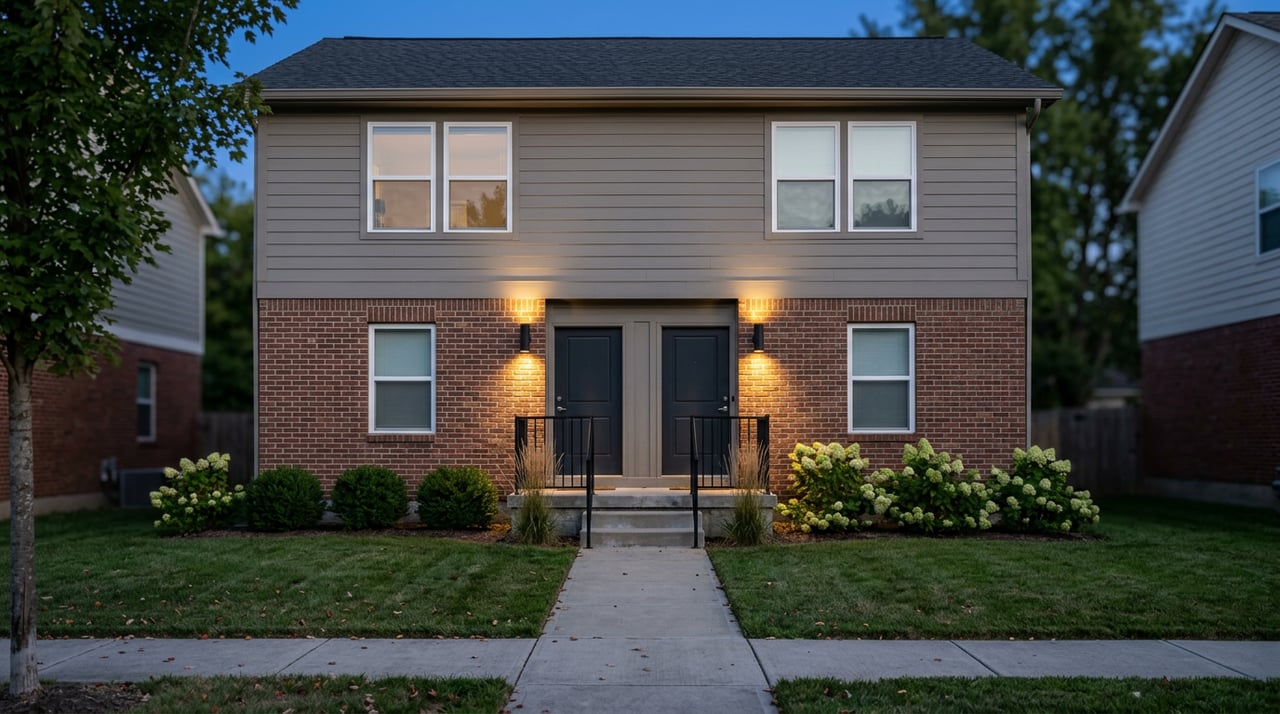
Thinking about buying a 2–8 unit building in Sandusky but not sure how to run the numbers with local realities in mind? You’re not alone. Small multifamily deals can cash flow well here, but seasonality, older building stock, and city rules mean you need a clear, location‑specific playbook. In this guide, you’ll get a simple Sandusky underwriting framework with rent and vacancy ranges, expense benchmarks, value‑add ideas, and the city requirements you must model. Let’s dive in.
Start with Sandusky’s market signal
Sandusky is a small city of roughly mid‑20,000 residents, which means steady demand with pockets of seasonality. Population size and growth matter because they frame long‑term rental stability. You can see the latest city population snapshot from U.S. Census QuickFacts.
Tourism is a key driver. Cedar Point hires thousands of seasonal employees and brings significant visitor traffic each year, which supports workforce housing and creates some seasonal variability. For recent hiring figures, see Cedar Point’s seasonal hiring coverage.
For rents, listing indexes show Sandusky remains affordable versus national levels. Use a conservative underwriting range confirmed by nearby comps:
- Studios: about $700–$1,100 per month
- 1‑bedrooms: about $800–$1,300 per month
- 2‑bedrooms: about $1,000–$1,600 per month
- 3‑bedrooms: about $1,100–$1,900 per month
Check active local listings to refine your target. You can view recent asking‑rent trends on Apartments.com’s Sandusky market page.
Vacancy varies more in small markets with tourism. The 2020 rental vacancy rate for the city was around the high single digits. For underwriting, model a baseline vacancy and stress test it higher. A practical range is 7 percent for optimistic scenarios and 10–12 percent for conservative, seasonally adjusted cases. See the city overview for context on housing and vacancy history on Wikipedia’s Sandusky page.
Build your rent roll the right way
Start with unit‑by‑unit market rent targets based on immediate comps for similar size, finish level, and location.
- Step 1: List each unit type and square footage, then assign a conservative market rent within today’s ranges.
- Step 2: Add a small, realistic line for other income where appropriate. Think laundry, parking, or storage. Keep estimates modest.
- Step 3: Subtract a vacancy and collection allowance. Use 7 percent as a base case and 10–12 percent to stress test.
Effective Gross Income (EGI) is your rental income after vacancy plus other income. EGI is the foundation for expenses and value.
Expense assumptions that fit Sandusky
A common check for small apartments is the Operating Expense Ratio (OER). For older 2–8 unit buildings, a typical range is about 35–45 percent of EGI. Very small properties often run at the higher end because fixed costs get spread across fewer units. Always build a line‑by‑line budget, then compare your result to this range as a sanity check.
Key expense lines to budget carefully:
- Property taxes. Pull the parcel’s current tax bill and rates from the Erie County auditor. Confirm how taxes might change after a sale and whether any exemptions apply.
- Insurance. Premiums have climbed in recent years. Get quotes early and plan for increases in your multi‑year model.
- Utilities. If the owner pays water and sewer, use the City’s published schedule as a baseline. The city illustrates average residential water plus sewer around $76–$83 per month at 5 CCF for a single account. Scale that for your unit count and usage profile. Review the City of Sandusky utility rates to set your starting point.
- Repairs and maintenance. Older small properties often need more attention. Budget conservatively and keep a separate capital reserve for big systems.
- Management. Third‑party management for small multifamily commonly runs about 6–10 percent of EGI, depending on services.
- Capital reserves. Set aside a separate CapEx reserve for roofs, HVAC, electrical, and major interiors. A conservative planning range is $300–$800 per unit per year depending on age and condition.
If your detailed expense lines land well under 30 percent of EGI on an older property, revisit the numbers. It usually means something was missed or undercounted.
Value and financing basics to model
- Net Operating Income (NOI) equals EGI minus operating expenses, excluding debt and income taxes.
- Cap rate aligns price to income. In smaller secondary markets, cap rates typically run higher than for large institutional apartments. National institutional deals often print near the mid‑5s, while B/C‑class and small‑market assets often trade closer to the high‑6s to 9 percent or more, depending on risk, building condition, and financing. For context, see CBRE’s multifamily services overview.
- DSCR and leverage. For 5+ units, most lenders underwrite to Debt Service Coverage Ratio. Minimum DSCR often falls between 1.20x and 1.35x, product dependent. For 2–4 units, you may have access to residential financing, while 5+ units typically require commercial loans that focus on the property’s DSCR. Get product basics from this small multifamily financing primer.
A quick Sandusky underwriting example
Assume a 4‑unit near residential blocks with two 2‑bed units and two 1‑bed units. You verify recent comps and select conservative rents within today’s ranges.
- Market rents: 2 x 2‑bed at $1,250 and 2 x 1‑bed at $1,050
- Potential Gross Income (PGI): $4,600 per month, $55,200 per year
- Vacancy at 8 percent: −$4,416
- Other income (parking/laundry): +$600 per year
- Effective Gross Income (EGI): $55,200 − $4,416 + $600 = $51,384
Operating expenses (illustrative):
- Property taxes: $5,200
- Insurance: $2,400
- Water/sewer (owner‑paid, 4 units at about $80 each): $3,840
- Repairs and maintenance: $3,600
- Management at 8 percent of EGI: $4,111
- Admin/misc: $1,000
- Total OPEX: $20,151 (OER about 39 percent)
NOI: $51,384 − $20,151 = $31,233
Valuation checks:
- At a 7.5 percent cap, implied value is about $416,000.
- Sensitivity: Push vacancy to 11 percent and add 10 percent to insurance, and test if DSCR still meets your lender minimum.
Financing snapshot (illustrative):
- If you buy near $416,000 and finance 75 percent LTV, a loan around $312,000 at a 7 percent rate and 25‑year amortization produces roughly $26,500 in annual debt service. DSCR would be about 1.18x on the initial underwriting above. That is just below many lender minimums, which signals you either need a sharper price, higher in‑place income, or lower expenses.
The lesson: small changes to vacancy, taxes, or insurance can swing DSCR and value. Always run a base case and a conservative case before you offer.
Rehab and value‑add tactics that work here
- Unit modernizations. Light interior upgrades can help close the gap to market rents with limited downtime. Focus on durable finishes and clean design.
- Ancillary income. Consider coinless laundry, assigned parking, storage, and reasonable pet rent where allowed.
- Operational wins. Tighten tenant screening, standardize turn processes, and verify utility allocations or submetering where legal.
- Short‑term and seasonal strategies. Sandusky regulates transient rentals by permit and zoning district. Only pursue this path after confirming eligibility and costs outlined on the city’s Transient Rental Permit page.
For any rehab‑driven plan, get multiple contractor bids with clear scope and timeline. Light cosmetic work often ranges from about $5,000–$15,000 per unit, moderate interior updates about $15,000–$40,000 per unit, and major system overhauls can reach $40,000–$100,000+ per unit. Include a 10–20 percent contingency on older buildings.
Local rules you must model
- Rental registration and inspections. Sandusky requires registration and periodic inspections under its Rental Registration & Inspection Program. Budget the fees and any compliance work. The published fee example is $100 for the first unit and $35 for each additional unit. Review details on the city’s Rental Registration & Inspection Program page.
- Transient rental permits. If you plan any short‑term use, confirm zoning eligibility, permit steps, and annual renewals. Start with the Transient Rental Permit guidance.
- Property taxes. Use the Erie County auditor’s resources to estimate current taxes and likely post‑sale values. Model tax changes into year‑one pro formas.
- Landlord‑tenant basics. Review Ohio landlord‑tenant law (ORC 5321) for deposit handling, access rules, and maintenance obligations that affect risk and cash flow. You can read the statute on the Ohio Revised Code site.
Due diligence checklist for 2–8 units
- Collect the rent roll, all leases, trailing 12–24 months of P&Ls, and utility bills.
- Confirm legal unit count and any prior permits or code cases.
- Verify city registration status and inspection history under Sandusky’s rental program.
- Order a physical inspection that covers roof, HVAC, plumbing, and electric. Get at least two competitive bids for any capital work.
- Request insurance quotes that match your intended use and location risks.
- Pull the current tax bill and confirm expected changes with the county auditor.
- Confirm financing approach early. For 2–4 units, you may have residential loan options. For 5+ units, expect commercial underwriting focused on DSCR and property performance. A quick primer on the differences is available here: multifamily loan requirements and DSCR basics.
Red flags and green lights
- Red flags: unpermitted units, unclear utility responsibility, unusually low expenses, major system failures, and overreliance on seasonal rents without permits.
- Green lights: clear registration history, clean mechanicals, stable tenant base, utility setups that match your plan, and room to add value with measured upgrades.
Put a local pro on your side
If you want pragmatic underwriting, real rent comps, and a clear plan for improvements and permitting, you do not have to figure it out alone. With hands‑on renovation experience and a track record across Sandusky and nearby lake communities, I help you pressure‑test deals before you write the offer. When you are ready, connect with Edward Haynes to get a Sandusky‑specific underwriting walkthrough and a plan to move from analysis to action.
FAQs
What vacancy rate should I use for Sandusky small multifamily?
- Underwrite a base case around 7 percent and stress test at 10–12 percent to reflect local seasonal swings and small‑market variability.
What are typical asking rents in Sandusky right now?
- Use a conservative range: about $800–$1,300 for 1‑bedrooms and $1,000–$1,600 for 2‑bedrooms, then confirm with active comps such as Apartments.com trends.
How should I budget Sandusky utilities if the owner pays water and sewer?
- Start with the City’s published baseline of roughly $76–$83 per month per single residential account at 5 CCF and scale by unit count and usage; see utility rate details.
Are short‑term rentals allowed in Sandusky?
- Yes, but only in specific zones and with an annual Transient Rental Permit; review eligibility and rules on the city’s Transient Rental page.
What is a reasonable management fee to model for a 4–8 unit in Sandusky?
- Many local small‑property managers charge about 6–10 percent of EGI depending on scope; get written proposals during diligence to model the exact fee.
What DSCR do lenders usually require on 5+ unit properties?
- Commercial lenders often target a DSCR between 1.20x and 1.35x based on product and risk; compare this to your NOI and debt service before you offer and see this financing overview for context.