What Day-To-Day Life Is Like In Bay Village
February 5, 2026
February 5, 2026
Thinking about a calm, lakeshore suburb where your everyday routine feels simple and grounded? If Bay Village is on your list, you’re likely picturing tree‑lined streets, neighborhood parks, and easy access to Lake Erie. You want to know how life actually flows here, from errands and school schedules to commuting and weekend plans. This guide walks you through what day‑to‑day life feels like in Bay Village so you can decide if it fits your lifestyle. Let’s dive in.
Bay Village sits on the southern shore of Lake Erie, just west of Cleveland. It’s a primarily residential community with a small‑city feel by regional standards. You’ll find a steady rhythm of neighborhood activity centered on parks, local schools, and civic events.
Residents include long‑time homeowners, households with school‑age children, and professionals who head to nearby employment centers. You’ll notice the close connection to local schools, city programming, and volunteer groups that keep the calendar full year‑round.
You’ll handle most everyday errands at small local shops and neighborhood centers in town. For a wider selection, many people make short trips to adjacent suburbs. Crocker Park in nearby Westlake is a common stop for larger shopping runs and entertainment.
A typical week might include a stop at a local café, takeout from a neighborhood restaurant, and dinner at a nearby regional spot. The dining scene is modest in size, which keeps things relaxed. If you want more variety, you can expand your options just a few minutes beyond city limits.
Routine healthcare is available through local clinics and primary care offices, with larger hospitals and specialty care in the greater Cleveland area. You’ll find banking, salons, and everyday services along the main commercial corridors. Municipal services, including city hall, police, and fire, are centralized and community‑focused.
Expect a steady cadence of seasonal events that make it easy to meet neighbors. Weekends often feature park concerts, holiday celebrations, and youth activities. Volunteer groups, historical and garden clubs, and school organizations add to the community fabric.
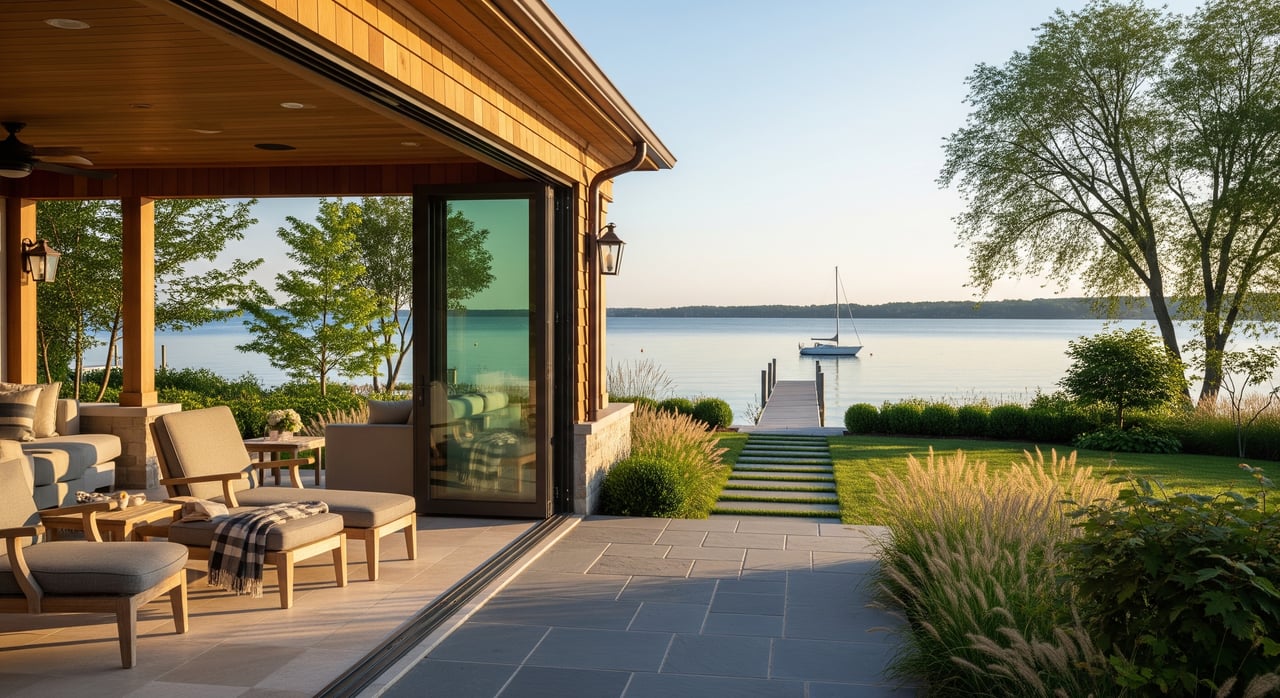
Lake access shapes daily life here. Public shoreline areas and parks let you walk, watch sunsets, and enjoy the water’s edge. If you’re considering a lakefront property, plan for different maintenance, insurance, and potential erosion considerations. It’s smart to review FEMA flood maps and local shoreline guidelines during your due diligence.
Neighborhood parks, playgrounds, athletic fields, and walking paths anchor after‑school routines and weekend mornings. When you want a longer ride or hike, Cleveland Metroparks reservations nearby offer extended trails and nature areas.
From spring through fall, you’ll see outdoor dining, team practices, and evening walks by the lake. Winter brings colder winds and occasional lake‑effect snow, so outdoor time gets quieter. Many residents shift to indoor programs and community events until the thaw.
Driving is the primary way to get around. Many residents commute to job centers in Westlake and Cleveland, with typical drives in the multi‑tens of minutes depending on traffic and route. Trips to other western suburbs are also common.
Public transit is more limited than in denser urban neighborhoods. Regional buses may provide connections, but most households rely on cars. Bicycling works for short distances when the weather cooperates and routes feel comfortable to you.
School schedules often set the pace for mornings and afternoons. Public library programming and city services offer after‑school, evening, and weekend options for learners of all ages. It’s easy to build a weekly routine around these community anchors.
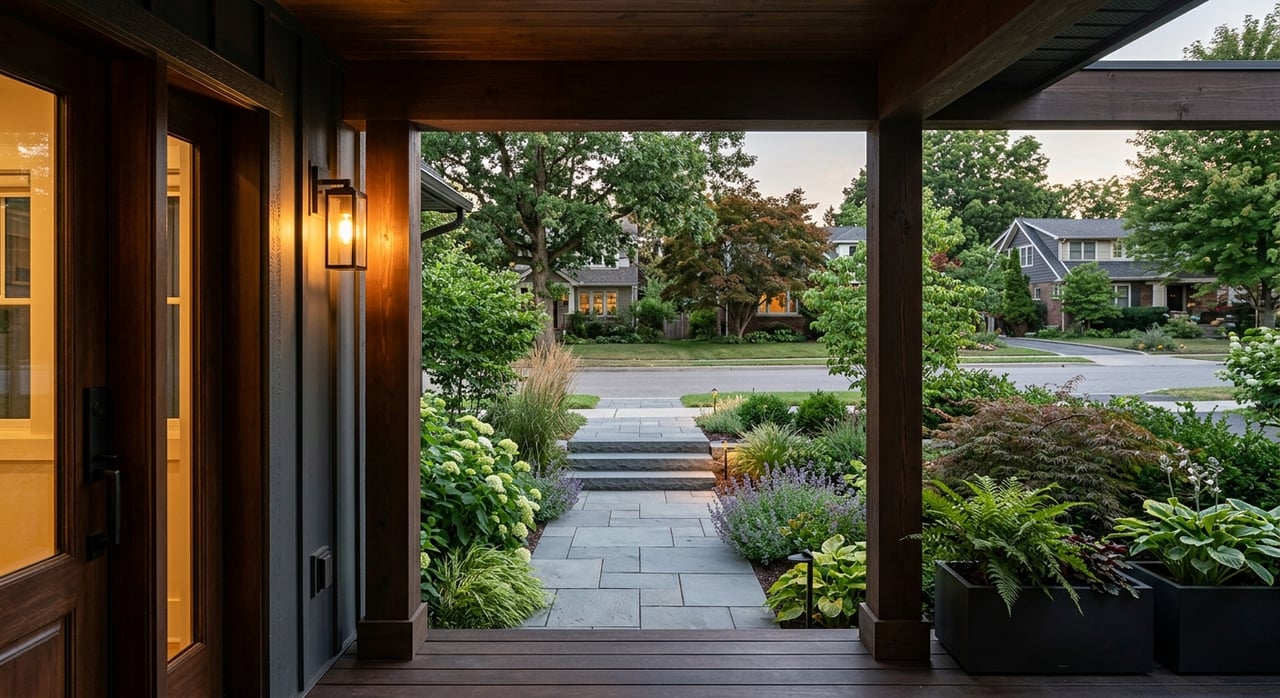
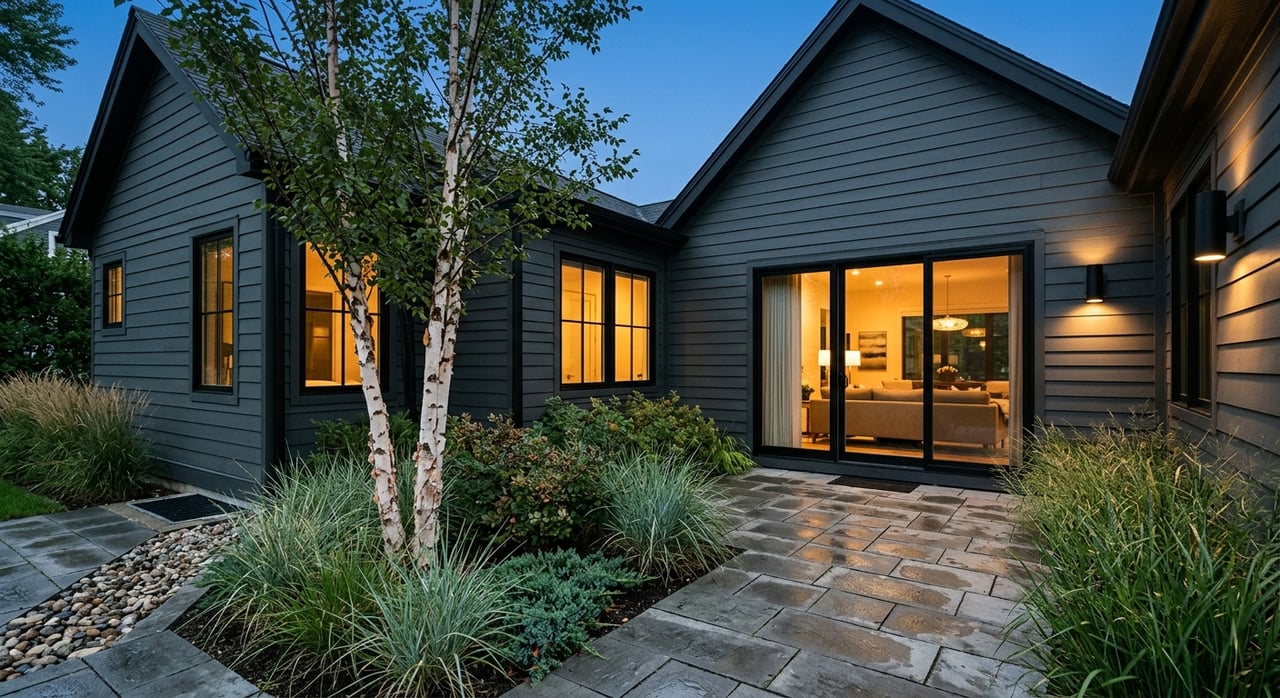
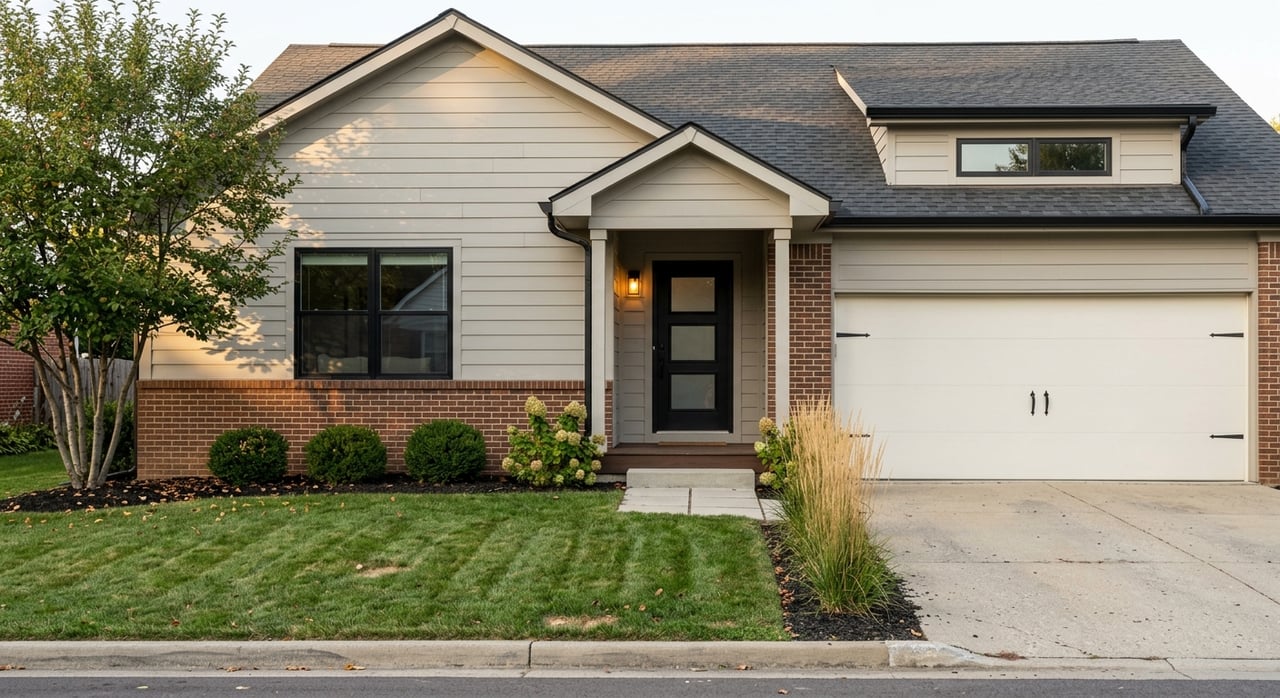
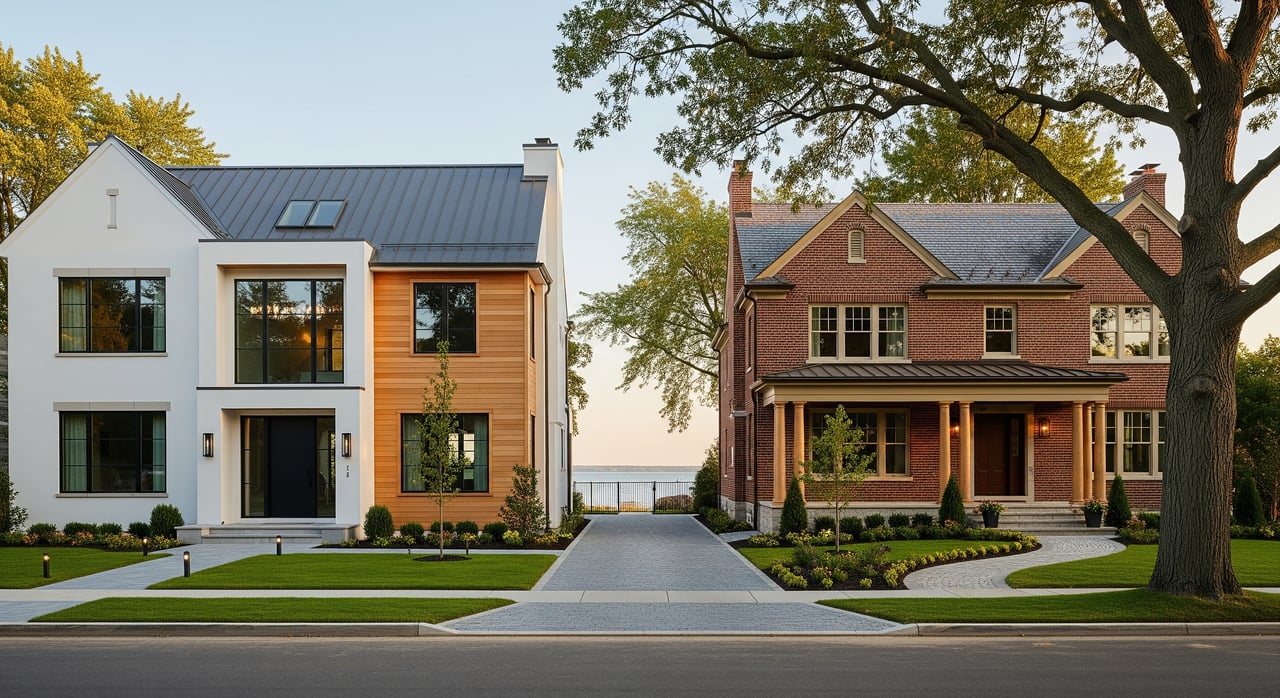
You’ll see a mix of mid‑20th‑century single‑family homes, including Cape Cods, Colonials, ranches, split‑levels, and Tudor‑style properties. There are also renovated homes and newer infill projects. Lakefront properties tend to be larger or more customized.
Inland neighborhoods provide traditional residential blocks with varying lot sizes. Lakefront streets offer water views and proximity to the shoreline, along with potential higher maintenance and insurance needs due to weather exposure. If you’re lake‑adjacent, plan to review flood zones, shoreline protection rules, and parcel‑specific insurance.
Some areas are within walking distance of schools or a short drive to local cafés and services. Others are quieter, set back from commercial corridors. Walkability can vary by block, so scout the streets you’ll use most.
With many homes dating to the mid‑1900s, budget for updates like HVAC, roofs, windows, and insulation. It’s wise to factor in lake‑weather wear. A thorough inspection and a realistic improvement plan help you understand long‑term costs and comfort.
Use this quick list to focus your search and due diligence:
If you want a quieter, lakeshore suburb with strong community programming and easy access to regional amenities, Bay Village delivers a steady, simple routine. You’ll trade big‑city bustle for neighborhood parks, shoreline walks, and quick trips to nearby retail hubs when needed. The housing stock offers character and variety, with practical considerations that reward good planning.
If you’re weighing Bay Village or comparing it to other Northern Ohio suburbs, let a local advisor help you zero in on the right street, home style, and renovation plan. For straightforward guidance on homes, inspections, and lakefront considerations, connect with Edward Haynes. You’ll get practical advice tailored to your budget, commute, and daily life.
Explore Ed’s latest advice, local updates, and expert tips to make smart decisions when buying, selling, or investing in real estate.

Experience the difference of working with a trusted advisor who puts your goals first and delivers results.

EDWARD HAYNES
ADDRESS 237 W WASHINGTON ROW SANDUSKY OH 44870