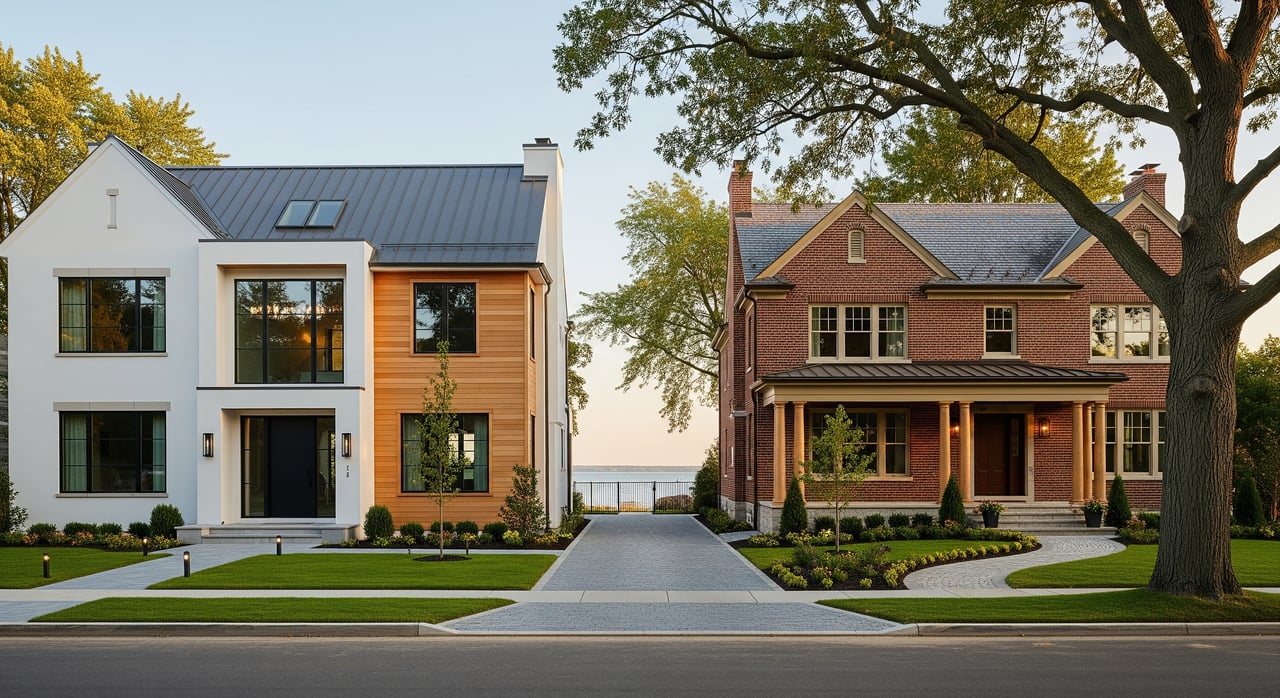
New Build vs Existing In Avon: True Cost
January 15, 2026
January 15, 2026
Thinking about a shiny new build or a move‑in ready resale in Avon, but not sure which one truly costs less over 5 to 10 years? You are not alone. Many buyers focus on list price and upgrades, then get surprised by taxes, energy bills, or repairs later. In this guide, you will learn a simple framework to compare total cost of ownership, what to watch for with lot premiums and warranties, and how to account for renovations, financing, and resale. Let’s dive in.
Start by collecting the same data points for each property so you can compare apples to apples.
Calculate price per finished square foot by dividing the purchase price by finished living area. Keep the definition consistent between homes. Adjust your comparison for major finish differences and any lot premium that is wrapped into the contract price.
Estimate what you will actually spend in year one. Include down payment, closing costs, immediate upgrades or repairs, first‑year mortgage payments, taxes, insurance, HOA, utilities, and maintenance. This gives you a realistic sense of near‑term affordability.
Create a simple total cost of ownership (TCO) view for 5 and 10 years. Include purchase price, cumulative mortgage interest, taxes, insurance, HOA, utilities, maintenance, expected renovations or replacements, and selling costs. Subtract an estimated sale price based on conservative appreciation assumptions and comparable sales.
A lot premium is the extra charge for a specific homesite, such as a larger lot, cul‑de‑sac, or a lot that backs to open space. Builders often list a base price for the plan and a separate lot premium.
Compare sales of the same plan on standard lots versus premium lots in the same subdivision. The difference in sale price, after accounting for finishes, approximates the lot premium.
A spec home that is already built usually closes like a resale. A build‑to‑order home often uses a construction‑to‑permanent loan with interest‑only payments during construction and a conversion to a standard mortgage at completion. Expect more paperwork and draw inspections.
When you build, interest rates may change before closing. Also, appraisal gaps can occur if comparable new sales are limited or if you add high‑value upgrades. Plan for a larger down payment or negotiate concessions to cover potential gaps.
Resales typically include inspection, financing, and appraisal contingencies. Builder contracts can be more restrictive, so review timelines and remedies for delays. Builders may offer incentives on spec inventory, such as closing cost help or rate buydowns. Lot premiums are often less negotiable but sometimes discounted on inventory homes.
New homes often come with a layered warranty structure: about one year for workmanship and materials, two years for systems like plumbing, electrical, and HVAC, and up to ten years for major structural components. Coverage varies by builder and warranty provider. Read the full warranty and claims process before you sign.
For resales, order a general inspection and targeted inspections, such as pest, sewer scope, chimney, or roof. For new builds, consider phase inspections, such as pre‑foundation, pre‑drywall, and a final inspection. Independent eyes can catch items that punch lists miss.
Track warranty requests in writing, confirm transfer rules if a third‑party provider is involved, and follow required maintenance to keep coverage intact. Structural issues may not show in the first year, which is why a clear warranty and strong documentation are valuable.
You will likely spend less on major systems early on. Plan for items often not included in base pricing, such as landscaping, fencing, window coverings, and minor finish touch‑ups. Roof, HVAC, and major appliances are usually outside the replacement cycle for a decade or more.
Budget for deferred maintenance and likely updates. Kitchens and baths are common projects. System replacements, such as an older HVAC unit, water heater, or roof, are possible within this window. Get two to three local bids for accurate pricing.
A conservative approach is to set aside 1 to 2 percent of home value per year for maintenance and repairs. Newer homes may trend near the lower end. Older homes or those with known deferred items may require more.
Newer homes often include better insulation, windows, and high‑efficiency HVAC that can reduce heating and cooling costs compared to older codes. Ask builders for performance documentation, such as energy ratings, and request recent utility bills from sellers of spec homes when available.
New construction is typically assessed at completion or after sale, which can change the tax bill from the land‑only amount during construction. Review the parcel’s assessment history and millage rates to forecast future taxes. For resales, check recent tax history and any special assessments or levies.
Insurance premiums can reflect the age of systems and materials. New construction may earn lower premiums due to updated systems and safety features. In newer subdivisions, HOA dues are common, so confirm the fee schedule and what services are included.
Avon sits in Lorain County within the Cleveland‑Elyria metro. Local appreciation trends and inventory impact resale value. Use regional indices and local MLS data for trend direction, then narrow with true comparable sales in the neighborhood.
Neutral, factual factors tend to support resale: consistent quality of construction, thoughtful updates, energy efficiency, practical floor plans, commute convenience, and proximity to parks and services. Verify school district boundaries and any planned infrastructure projects that may affect value.
Buying in Avon is a great opportunity when you make a clear, side‑by‑side cost comparison. If you want help running the numbers on a specific property pair, or you would like local contractor and inspector introductions, connect with Edward Haynes for a practical walkthrough or to get a free home valuation.
Explore Ed’s latest advice, local updates, and expert tips to make smart decisions when buying, selling, or investing in real estate.

Experience the difference of working with a trusted advisor who puts your goals first and delivers results.

EDWARD HAYNES
ADDRESS 237 W WASHINGTON ROW SANDUSKY OH 44870