Huron Neighborhoods Near The Water: How To Compare Options
March 24, 2026
March 24, 2026
Dreaming of living near Lake Erie without guessing on costs, rules, and tradeoffs? You are not alone. Buyers in Huron often compare options that all feel “near the water,” yet each comes with a different lifestyle, maintenance profile, and budget. In this guide, you will see the four main ways to live close to the lake or river in Huron, what each offers, and the practical checks you should do before you buy. Let’s dive in.
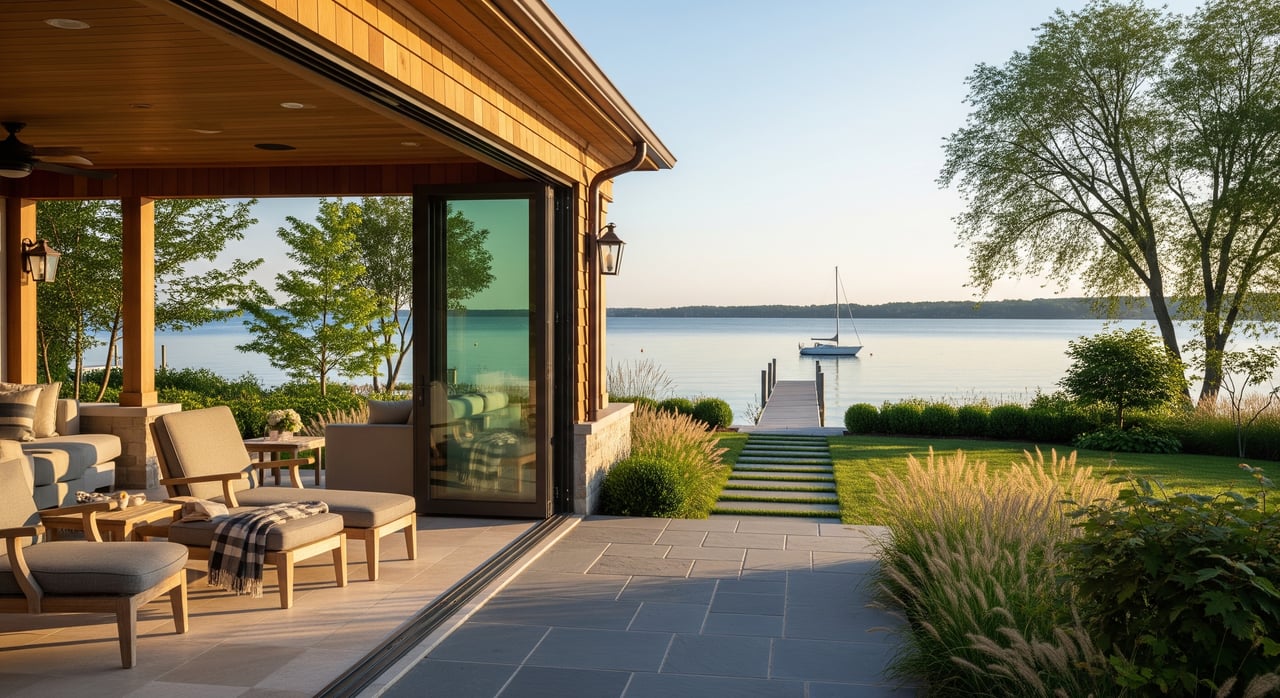
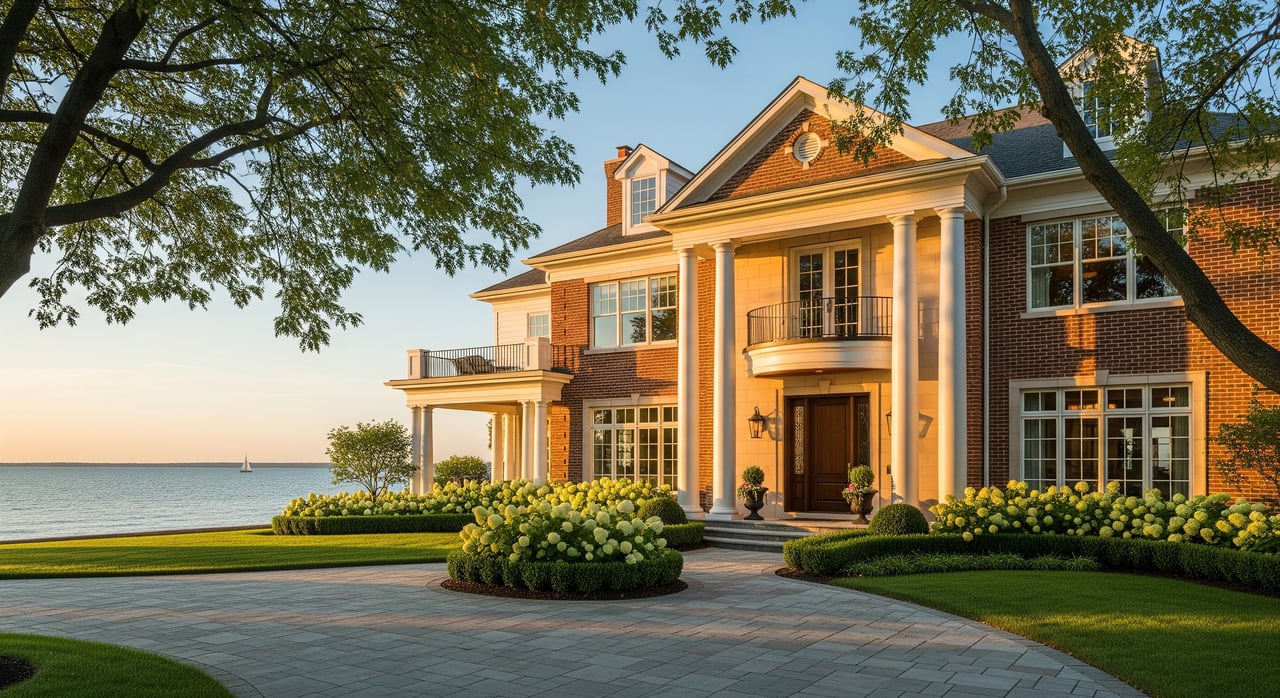
Direct lakefront gives you the classic shoreline experience: wide views and immediate access to Lake Erie. It is also the most exposed to waves, erosion, ice, and short-term water-level swings. If you love sunrise coffee with a horizon view and private shoreline access, this is your top tier.
The tradeoff is maintenance and permitting. Lake Erie water levels shift seasonally and year to year, and storm surges can reshape the shore. Review background and current levels through NOAA’s Great Lakes program to understand this variability and risk. You can explore trends on the NOAA GLERL water-level portal for context on highs and lows over time (NOAA GLERL water levels).
If you plan to add or repair a seawall, revetment, or any hard shoreline structure, expect federal and state oversight. Many projects need authorization through the U.S. Army Corps and Ohio’s Coastal Management Program, and some qualify under nationwide permits while others do not. Start early and verify rules before you plan work (Federal Register summary of nationwide permits). Also check your flood zone and potential insurance needs through FEMA’s map portal (FEMA Flood Map Service Center).
River and lagoon locations along the Huron River offer sheltered water access that boaters appreciate. You gain easier launching in choppy conditions, smoother navigation to the lake, and proximity to marina services. Private marinas, like Huron Lagoons about a mile inland from Lake Erie, provide dockage, winter storage, and maintenance support that many owners consider essential (Huron Lagoons Marina).
If you prefer a municipal option with downtown convenience, the Huron Boat Basin has more than 120 slips, including transient spaces, floating docks with utilities, restrooms, showers, and a summer amphitheater nearby. Seasonal dockage is available but limited and follows specific rules and booking windows. Always confirm availability, resident versus non-resident pricing, and seasonal policies in advance (Huron Boat Basin details).
Compared with open lakefront, river and lagoon properties usually face less direct wave action and ice shove. That said, dock rules are real. If your lot does not include private docking rights, your boating depends on marina slip access, which can involve waitlists.
Not every buyer needs to own shoreline to live the lake lifestyle. Many homes sit within a short walk of the Boat Basin, the pier and lighthouse, Nickel Plate Beach, and Lake Front Park. You get easy access to restaurants, amphitheater events, and the social energy of summer without maintaining a private seawall or dock.
For day-on-the-water plans, the city’s municipal marina places you within steps of downtown amenities and programming. The amphitheater and transient dockage create a lively summer scene for boaters and pedestrians alike (City of Huron Marina overview). For beach time, Nickel Plate Beach is one of the area’s primary public-access sites listed in the Ohio Lake Erie Public Access Guide (ODNR access guide: Erie County).
A few minutes inland can be the smart middle ground. You keep quick, convenient access to beaches, piers, and marinas with less exposure to coastal hazards. You also reduce ongoing costs tied to shoreline maintenance and often find more price points to choose from.
This option fits buyers who want quiet streets and practical budgets while still enjoying day-use boating and beach trips. It is also attractive if you want fewer permitting constraints and a simpler maintenance plan over time.
This is when Huron shines. Expect active boating, beach days, amphitheater events, and dining near the marina and pier. The Huron Boat Basin highlights summer amenities and transient dockage that support spontaneous day trips or overnight stays (Huron Boat Basin amenities).
Be aware that Lake Erie can experience harmful algal blooms in late summer, which may lead to beach advisories. Before a big swim weekend, check NOAA’s Lake Erie HAB forecast for current guidance (NOAA Lake Erie HAB forecast).
Spring and fall can bring great boating and fishing windows, often with cooler crowds. The city’s marina materials highlight strong fall fishing periods and related dockage options, which many owners take advantage of (City of Huron marina information). You should also expect changing water levels and cooler water temperatures.
Things slow down, and winterization steps move to the top of the list. Freeze–thaw cycles and ice movement can wear on docks, foundations, and hardscape. NOAA GLERL provides background on lake ice coverage and dynamics, which helps set expectations for off-season risks and timing (NOAA GLERL lake context).
Flood zones on FEMA’s maps often drive lender requirements. If the home is in a Special Flood Hazard Area, flood insurance is usually required. Premiums are now risk-rated based on elevation and structure features, so two nearby homes can have very different quotes. Look up the parcel’s zone on FEMA’s Map Service Center, and request an elevation certificate if needed (FEMA MSC). For insurance basics and what affects your premium, review FEMA’s consumer site (FloodSmart basics).
If you rely on a marina rather than a private dock, plan for seasonal fees and rules. The Huron Boat Basin posts slip counts, transient policies, and seasonal terms, including resident versus non-resident details. Availability is limited, and special-event dockage has specific booking windows, so confirm before you buy (Boat Basin slips and policies). Private marinas like Huron Lagoons set their own pricing, services, and waitlists (Huron Lagoons Marina).
Shoreline stabilization projects such as seawalls, bulkheads, or revetments often require authorization. Some activities may be covered by nationwide permits, while larger or habitat-impacting work can need individual permits and state coastal review. Ohio’s Coastal Management Program promotes resilient and soft-shore approaches and provides technical guidance that can save time and reduce long-term costs. Start with the federal permit summary, then consult Ohio’s coastal resources (Nationwide permits overview; Ohio Coastal Management guidance).
Lake Erie is dynamic. Seasonal level swings, wind-driven events, and ice movement can affect shoreline condition and dock durability. Review recent and historic water-level data, then match what you see on site to your maintenance budget and risk tolerance (NOAA GLERL water levels).
Choosing between lakefront, river, walkable, and inland options comes down to how you use the water, what you want to maintain, and how you plan your budget. If you want practical guidance on inspections, shoreline work, slip logistics, and insurance, connect with a local advisor who knows both the market and construction details. To compare real properties and costs side by side, reach out to Edward Haynes for a clear plan that fits your goals.
Explore Ed’s latest advice, local updates, and expert tips to make smart decisions when buying, selling, or investing in real estate.

Experience the difference of working with a trusted advisor who puts your goals first and delivers results.
EDWARD HAYNES
ADDRESS 237 W WASHINGTON ROW SANDUSKY OH 44870