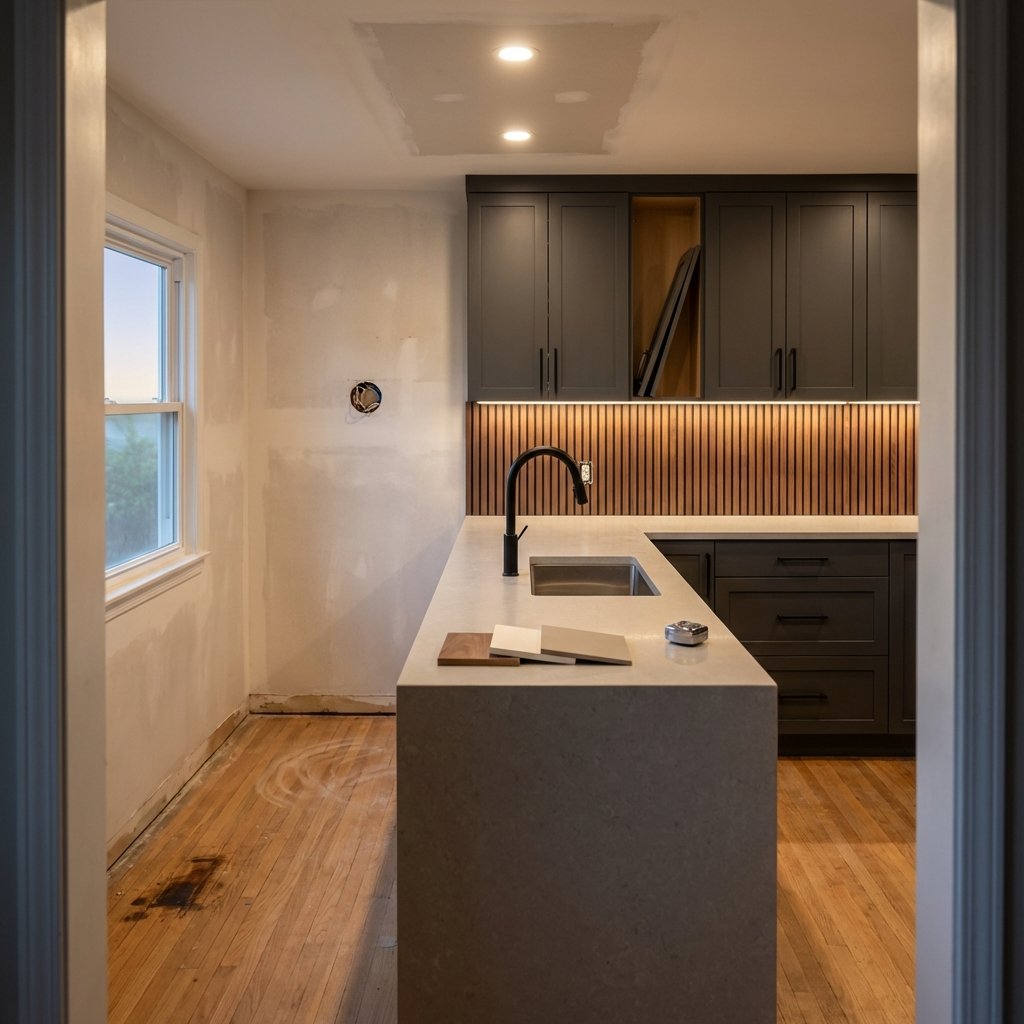
Renovating Older Sandusky Homes: What To Plan For
February 19, 2026
February 19, 2026
Buying an older Sandusky home can be both exciting and intimidating. The charm is real, but so are the unknowns behind the walls and under the floors. If you plan ahead, you can protect your budget, reduce surprises, and add value that lasts. In this guide, you’ll learn what to expect with pre‑1960 homes here, which inspections to prioritize, how to budget, and a smart order of work. Let’s dive in.
Sandusky has a large share of older housing, with many homes built before 1960 and a meaningful pre‑1940 cohort. Local housing tables and QuickFacts support this age profile, which often means legacy systems and materials to evaluate first. See the city’s housing snapshot in Census QuickFacts and age bands compiled at Infoplease.
You will also find historic districts and notable neighborhoods where exterior changes can trigger design review or unlock preservation incentives. To check whether your property is in or near a designated area, review local listings on the Heritage Index. If your home sits in a regulated area, factor potential approvals and timelines into your renovation plan.
Structure and envelope: Many pre‑1940 homes feature wood framing, plaster and lath walls, wood floors, and masonry or stone foundations. Original wood windows and porches are common. These details drive weatherproofing and energy priorities. Learn more about local historic construction patterns at Sandusky History.
Electrical: You may encounter knob‑and‑tube or early ungrounded wiring, smaller service sizes, and older panels. These are frequent safety and insurance issues in vintage homes, so plan for an electrician’s evaluation. See common hazards summarized by InterNACHI.
Plumbing and drains: Galvanized supply lines and cast‑iron stacks are typical in older houses. Age, corrosion, or tree roots can lead to clogs and failures, and the sewer lateral is a known risk in older neighborhoods.
Environmental materials: Pre‑1978 homes often contain lead‑based paint, and some building products can contain asbestos. Renovation work that disturbs these materials must follow the EPA’s Lead Renovation, Repair and Painting guidance and related rules.
Lake Erie climate impacts: Freeze‑thaw cycles, strong winds, and lake‑effect snow accelerate wear on roofs, masonry, and drainage systems. Plan for robust roofing, sound flashing, and good site drainage. The National Weather Service outlines local conditions at weather.gov Cleveland.
Water entry and drainage: Grading, gutters, downspouts, and foundation drainage often need work. Moisture problems are among the most common and costly issues in older homes. See typical concerns flagged by InterNACHI.
Roofs and chimneys: Aging shingles, flashing failures, and deteriorated or unlined chimneys appear often, especially after severe winter events linked to the lake climate.
Electrical safety: Legacy panels, missing GFCIs, ungrounded circuits, and overloaded wiring are routine findings and high‑priority fixes. Refer to InterNACHI’s overview for common issues.
Plumbing and sewer: Corroded galvanized supply lines, failing cast‑iron drains, and problematic sewer laterals can create big bills if ignored.
Hazardous materials: Lead‑based paint in pre‑1978 homes and possible asbestos in certain materials require special handling under the EPA’s RRP rules.
Radon: Ohio has broadly elevated potential. Short‑term or long‑term testing is recommended in the Sandusky area. See the EPA’s radon map.
Order a full home inspection by a qualified inspector, then add specialty checks based on age and symptoms:
Budget ranges vary by scope and access, but these areas often drive costs in older homes:
Sewer lateral repair or replacement: Smaller fixes can be in the low thousands, while full replacements can run several thousand to tens of thousands depending on length and access. See national ranges summarized by BobVila.
Electrical upgrades: A panel or service upgrade can be a few thousand dollars, while a full rewire is higher, especially with plaster walls. Safety and capacity are key drivers. Review common concerns via InterNACHI.
Lead or asbestos abatement: Costs range widely based on the material and area involved, from smaller containment to large abatement projects. Follow the EPA’s RRP guidance and get quotes early.
Kitchens and baths: These are high‑ticket items with variable resale return. Use regional data to set expectations and prioritize scope. The Cleveland‑area Cost vs. Value report offers helpful context at JLC’s Cost vs. Value.
Tip: Add a 10 to 25 percent contingency for hidden issues in older homes. Set aside funds for discovery during demolition, especially for plumbing and electrical.
Ohio’s building code is adopted at the state level and enforced locally. Structural changes, additions, most electrical, plumbing, HVAC, roofing, and many window or siding projects will require permits. Start with the state framework at codes.ohio.gov, then confirm local requirements with the City of Sandusky and Erie County.
Local contacts: Sandusky Permits and Zoning can guide you on city permits, while Erie County’s Plumbing Program handles plumbing permits and inspections. You can locate property and department references through public record resources.
Historic districts: Exterior changes in designated areas may require design review. Verify district boundaries and any incentives early using the Heritage Index.
Hiring pros: Use licensed trades for electrical and plumbing. For pre‑1978 homes, confirm your contractor is EPA RRP‑certified for paint‑disturbing work. Keep copies of permits, inspection results, and RRP documentation.
Tackle projects in an order that protects your investment and prevents rework:
If you want a practical renovation plan that fits your goals and timeline, partner with a local advisor who understands construction, permits, and resale. With hands‑on renovation experience and a results‑focused approach, Edward Haynes can help you evaluate scope, line up the right inspections, and prioritize work that protects your budget and adds value.
Explore Ed’s latest advice, local updates, and expert tips to make smart decisions when buying, selling, or investing in real estate.

Experience the difference of working with a trusted advisor who puts your goals first and delivers results.

EDWARD HAYNES
ADDRESS 237 W WASHINGTON ROW SANDUSKY OH 44870