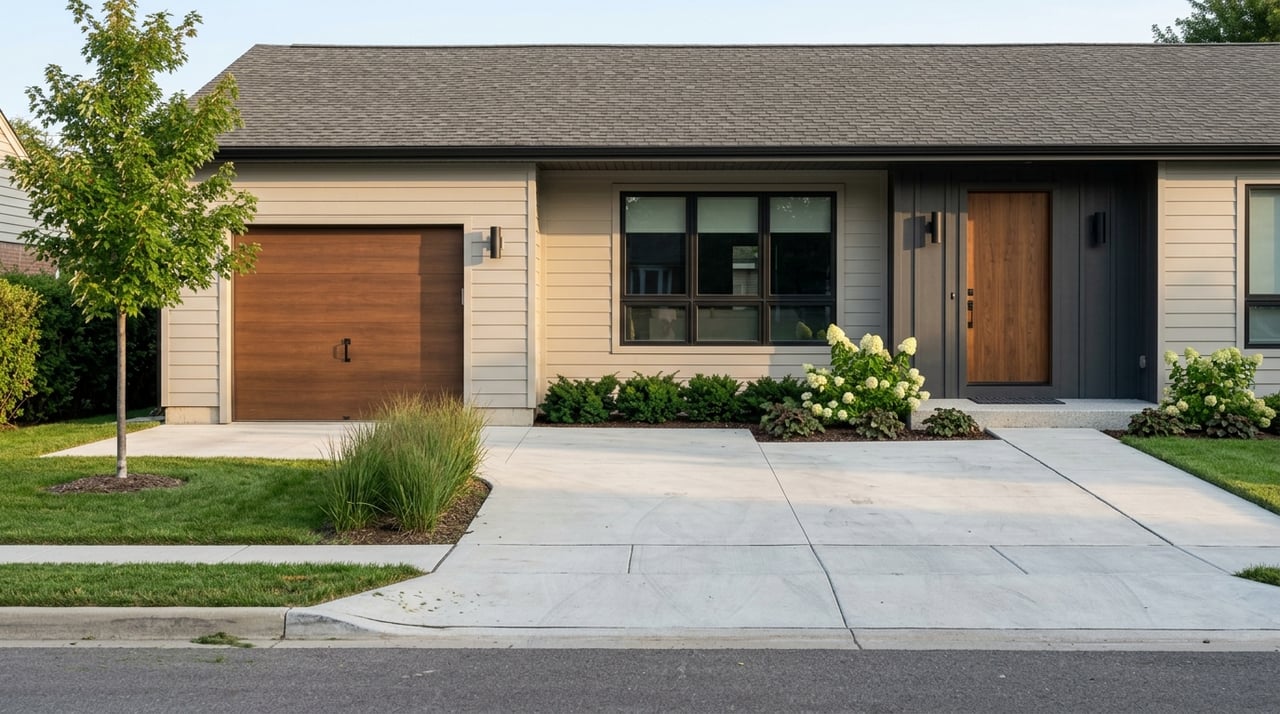
Selling A Renovated Home In Bay Village
June 18, 2026
June 18, 2026
Wondering whether your Bay Village renovation will help your home sell faster, or raise more questions from buyers? In a market where homes can move quickly, a polished update can absolutely help, but buyers also tend to notice unfinished details, missing paperwork, or vague answers about what was actually done. If you are preparing to sell a renovated home in Bay Village, the goal is not just to show that it looks good. It is to prove the work is clear, credible, and complete. Let’s dive in.
Bay Village is a largely residential Lake Erie community, and recent market data points to strong buyer activity. As of May 2026, Redfin reported a median sale price of $459,725, median days on market of 12, and a 101.4% sale-to-list ratio over the prior three months. Zillow also showed an average home value of $425,346 and a median of 5 days to pending.
The exact figures vary by source, but the pattern is consistent. Bay Village is moving quickly, which means buyers may make decisions fast. That can work in your favor if your home feels truly move-in ready.
There is another side to that speed. The 2025 Remodeling Impact Report found that 46% of buyers were less willing to compromise on home condition when purchasing. For a renovated home, that means cosmetic appeal matters, but so do the details behind the finish.
If you renovated before selling, your paperwork matters almost as much as the updates themselves. Buyers want to know what changed, whether the work was done properly, and if anything important still needs attention.
In Bay Village, the city’s Building Department reviews plans and issues permits for alterations, repairs, and new construction. The department also performs inspections required by each permit and enforces the National Electric Code along with Ohio building, mechanical, plumbing, and residential codes.
That creates a simple reality for sellers. If your renovation included work that required a permit, buyers may expect to see that the permit was pulled and the work was inspected.
Bay Village’s permit guide lists many updates that typically require permits, including:
The same guide says some cosmetic projects do not require permits, such as:
The city also notes that its list is not all-inclusive. In some cases, exterior changes may involve more than a building permit, including review through the Architectural Board of Review or Board of Zoning Appeals.
Selling a renovated home in Bay Village also means following Ohio’s residential property disclosure law. For residential properties with one to four dwelling units, sellers must complete and deliver the state disclosure form to prospective buyers.
This form is based on your actual knowledge. It is not a warranty, but it does require you to disclose known material matters involving things like water supply, sewer, roof condition, water intrusion, structural components, mechanical systems, hazardous materials, flood plain or Lake Erie coastal erosion area status, zoning or code violations, assessments, and other known material defects.
For renovated homes, this matters a lot. A beautiful finish does not replace disclosure, especially if the work addressed a prior issue such as a roof leak, basement moisture, drainage problem, or mechanical failure.
The strongest renovation story usually answers four basic questions:
This is especially important when the renovation touched categories that Ohio’s form specifically asks about, including roof issues, water intrusion, structural components, and mechanical systems. If your disclosure, invoices, and permit history all tell the same story, buyers are more likely to trust what they see.
When you market a renovated home, it is tempting to lean on phrases like fully updated or completely redone. Those phrases can catch attention, but they are not what builds confidence.
What really helps is being precise. Buyers respond better when they can understand which parts of the home were improved, whether the work was permitted when required, and whether the updates were cosmetic or functional.
That is particularly important in a fast-moving market. A buyer may love the kitchen or bathroom at first glance, but if they later start wondering whether the waterproofing, electrical work, or roof replacement was properly handled, momentum can disappear.
Instead of overselling the renovation, frame it around facts:
This approach fits both Ohio disclosure expectations and what Bay Village buyers often want to see in practice. The cleaner your paper trail, the easier it is for a buyer to feel comfortable moving forward.
If your renovation is mostly done, you may still be wondering whether to tackle one more project before listing. In many cases, the smartest move is not another major remodel. It is finishing the visible details and making sure your major systems are documented.
Nationally, REALTORS® most often recommend painting the entire home, painting one room, and making sure the roof is in good shape before selling. Those are practical improvements because they help buyers read the home as cared for and complete.
The 2025 Remodeling Impact Report also highlighted estimated cost recovery benchmarks for several projects. Among the highest were a new steel front door at 100%, closet renovation at 83%, new fiberglass front door at 80%, new vinyl windows at 74%, new wood windows at 71%, basement conversion to living area at 71%, attic conversion at 67%, complete kitchen renovation at 60%, minor kitchen upgrade at 60%, bathroom addition at 56%, new primary suite at 54%, and bathroom renovation at 50%.
These figures are best used as general benchmarks, not guarantees. The report notes that the assumptions are based on standard or typical-quality materials, not luxury-level finishes.
In Bay Village, a practical pre-listing checklist often includes:
These steps often do more for buyer confidence than squeezing in one last expensive remodel. In a market where homes can go pending quickly, clear presentation and clean documentation can have a big impact.
If your Bay Village home is near Lake Erie or has any history of drainage or moisture issues, accuracy becomes even more important. Ohio’s disclosure form asks about flooding, drainage, and whether the property is in a designated flood plain or Lake Erie coastal erosion area.
This is not the place for vague language. If a renovation addressed water intrusion, waterproofing, grading, or related repairs, your disclosure should reflect that history accurately based on your actual knowledge.
That does not mean a past issue automatically ruins a sale. In many cases, buyers are more comfortable with a known issue that was properly addressed and documented than with a home that looks updated but comes with unanswered questions.
In Bay Village, the most persuasive listing is usually not the one with the flashiest finish. It is the one that feels complete, honest, and easy to understand.
That means your renovated home should present three things at the same time. It should look clean and move-in ready, your disclosure should accurately reflect what you know, and your records should support the work that was done.
As a seller, that is where practical guidance matters. A strong strategy is not just about making the home look better. It is about knowing which improvements help, which documents matter, and how to present the renovation in a way buyers trust.
If you are getting ready to sell a renovated home in Bay Village, Edward Haynes can help you position the updates, prepare the details buyers will care about, and build a smart listing plan around the work you have already done.
Explore Ed’s latest advice, local updates, and expert tips to make smart decisions when buying, selling, or investing in real estate.
Experience the difference of working with a trusted advisor who puts your goals first and delivers results.

EDWARD HAYNES
ADDRESS 237 W WASHINGTON ROW SANDUSKY OH 44870