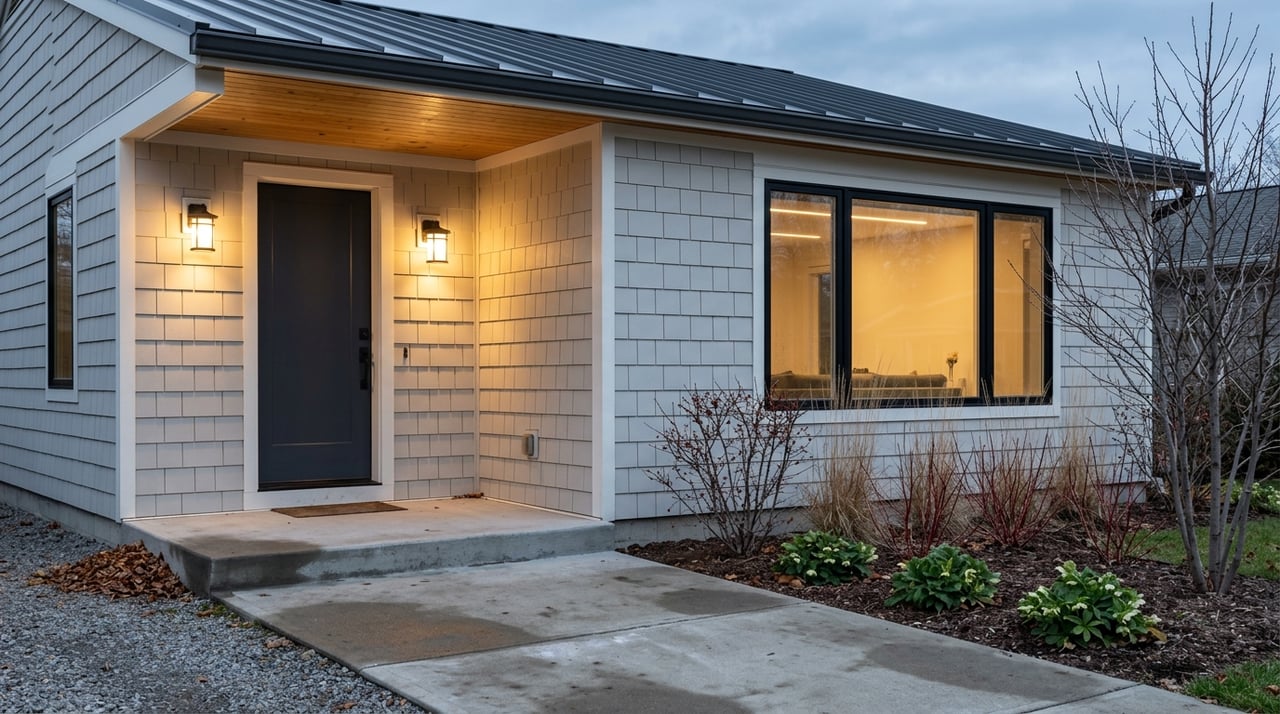
Off-Season Living In Huron’s Lake Areas
July 16, 2026
July 16, 2026
If you only picture Huron’s lake areas as a summer scene, you might miss what makes them appealing the rest of the year. Once peak season fades, the waterfront often feels quieter, more local, and easier to enjoy at your own pace. If you are thinking about buying, relocating, or using a second home more often, understanding the off-season can help you make a smarter decision. Let’s dive in.
Huron is more than a warm-weather destination. City materials describe it as a year-round, full-service community with waterfront parks, trails, and regular civic activity. That matters if you want lake access and local amenities without relying on a summer-only lifestyle.
At the same time, some of Huron’s most visible waterfront activity is clearly seasonal. The Huron Boat Basin serves as a downtown summer entertainment hub, and beach access follows a seasonal schedule. In practical terms, that often means fewer visitors, lighter traffic, and a stronger neighborhood feel after Labor Day.
Another important detail is that much of Huron’s shoreline is residential or tied to private associations rather than broad public shoreline. Because of that, off-season living often feels more like everyday neighborhood life than a resort environment. For many buyers, that is part of the appeal.
Summer routines near the lake do not disappear overnight, but they do shift. Knowing that rhythm can help you set realistic expectations if you are comparing a full-time move with a second-home purchase.
Nickel Plate Beach parking passes are tied to the Memorial Day through Labor Day season. The city lists beach hours as dawn to dusk, and it also notes that there are no lifeguards on duty. During that same seasonal period, dogs are restricted on the beach and in the park from 10 AM to 6 PM.
For you as a homeowner or buyer, that means beach-area activity is managed differently in peak season than it is during cooler months. Off-season living is usually less about busy beach days and more about enjoying the setting, the shoreline, and the quieter pace around it.
Marina access in Huron is also strongly seasonal. One city document defines seasonal dock holders as those docked from April 15 through October 15. Another agreement defines the off-season period from October 1 through April 30 for limited use and storage.
If boating is a big part of your plan, this is worth thinking through early. A lake-area property can still offer water proximity in winter, but off-season access and summer dock life are not the same experience.
A quieter waterfront does not mean a shut-down city. Huron continues to offer resident-oriented activity outside the summer rush, which helps support a true year-round lifestyle.
The Parks & Recreation Department keeps programming going beyond beach season. For example, Walking at Woodlands runs from November through April on Monday through Thursday evenings, and the city markets it as a way to keep walking through the winter.
The city also offers fall-winter indoor yoga at the Huron Boat Basin Marina Building, typically beginning in October. These kinds of programs show that local routines keep moving even when the weather changes.
Huron also continues to host winter community events, including Winterfest. That is a helpful reminder that the city calendar does not revolve only around summer visitors.
For buyers who want a lake community with year-round activity, that matters. You are not just buying into a warm-weather address. You are buying into a place that still has local energy when the beach crowds are gone.
The Huron Boat Basin Marina recently received Ohio Clean Marina Platinum Status and Elite Fleet recognition. While that may sound like a summer topic, it also points to something important for off-season residents: upkeep and waterfront management remain priorities beyond the busy season.
That kind of ongoing attention can be meaningful if you are looking at a home near the water and want confidence that the surrounding public waterfront areas are actively maintained.
Off-season lake living in Huron is not just calm views and empty streets. It also comes with a real Great Lakes winter, and that should be part of your planning.
Using nearby Sandusky climate normals as a practical proxy for the area, the average January daily temperature is 28.1 degrees, while July averages 74.7 degrees. Annual precipitation is 34.03 inches. In short, winter here is genuinely cold, and lake-area conditions can feel wetter and windier than many buyers expect.
In a city grant application, Huron notes that much of its lakeshore has little protection from the north. The same material says strong northeasterly winds can produce 13- to 15-foot waves.
That does not mean every property faces the same level of exposure. It does mean you should pay close attention to location, elevation, maintenance needs, and how the home is positioned relative to the shoreline.
Broader Great Lakes weather patterns also shape the off-season experience. Lake-effect snow is common across the region during late fall and winter, so preparedness is part of everyday lake living.
If you are considering a primary home or second home in Huron’s lake areas, it helps to think through winter access, wind exposure, and exterior upkeep before you buy. A home can be beautiful in July and still need a practical cold-weather plan.
One of the biggest advantages of living in a true community instead of a seasonal destination is that local services continue year-round. That can make off-season ownership feel more stable and manageable.
The Huron Fire Department reports that it is staffed 24/7/365 and includes a dive rescue and recovery team. City materials also describe snow removal and leaf pick-up as part of routine street services.
For you, that means the off-season is not an afterthought in Huron. Municipal services still support daily life, which is especially important if you plan to live near the lake full-time or keep a second property through the winter.
If you are shopping for a lake-area home in Huron, the off-season is actually a good time to focus on details that are easy to overlook during summer. A quieter setting can make it easier to evaluate the property itself, not just the lifestyle around it.
Huron’s Planning and Zoning Department manages transient rental registration, zoning and building permits, contractor registration, and flood-hazard development applications. If you think you may ever use the property as a short-term rental, it is smart to verify the city’s transient-rental requirements before making plans.
This step can save time and avoid surprises later. It is especially important for second-home buyers or small investors who may be weighing personal use against rental potential.
If you are considering renovations, additions, decks, fences, or other exterior work near the water, expect permit review. The city also notes that construction within a flood zone requires a Flood Hazard Area Development and FEMA Elevation Certificate application.
That is where practical guidance matters. If a home has upside but also needs improvements, you want to understand the local review process before you commit.
A waterfront or near-water property can be easy to fall in love with during peak season. In the off-season, you can get a clearer view of parking, access, wind patterns, exterior wear, and how the property functions when conditions are less forgiving.
That perspective is useful whether you are buying a full-time home, a second home, or a small investment property. Often, the best lake-area decisions come from balancing lifestyle goals with day-to-day practicality.
If you want to understand what living in Huron’s lake areas is really like, the quieter months can tell you a lot. You can see how the neighborhood feels without summer crowds, how close you are to year-round amenities, and what kind of maintenance a property may need.
You also get a more honest picture of the lifestyle. Instead of seeing only the high season, you see the version of Huron that local residents experience for much of the year.
That is often the right lens for a smart purchase. Especially near the lake, a home should work well for you in every season, not just the sunny ones.
If you are considering a move, second home, or investment in Huron’s lake areas, working with an advisor who understands both waterfront appeal and practical property issues can make the process much easier. For straightforward guidance on lake-area homes and Northern Ohio real estate, connect with Edward Haynes.
Explore Ed’s latest advice, local updates, and expert tips to make smart decisions when buying, selling, or investing in real estate.
Experience the difference of working with a trusted advisor who puts your goals first and delivers results.

EDWARD HAYNES
ADDRESS 237 W WASHINGTON ROW SANDUSKY OH 44870