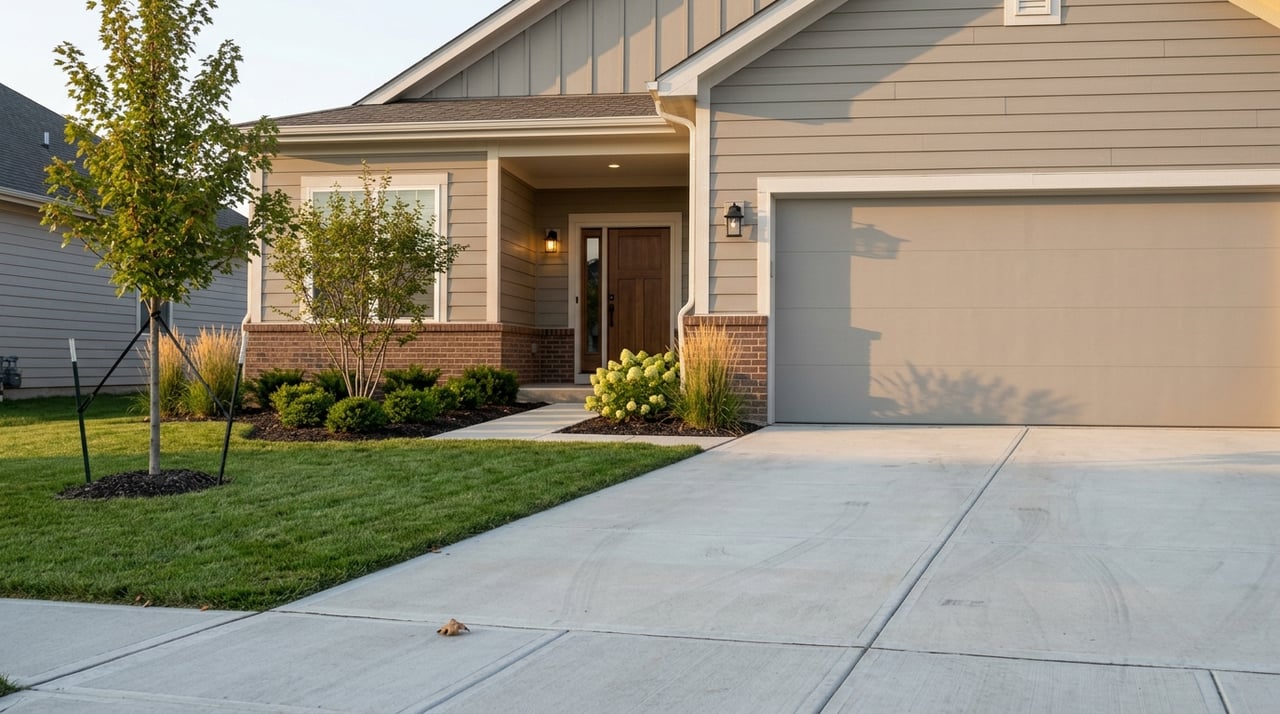
How New Construction Communities Work In Avon
July 2, 2026
July 2, 2026
Curious why buying in a new construction community in Avon can feel different from buying a resale home? You are not just choosing a floor plan and finishes. You are stepping into a process that involves city approvals, builder contracts, inspections, and community rules that can shape your timeline and costs. If you understand how that process works upfront, you can make better decisions and avoid surprises. Let’s dive in.
In Avon, a new home does not begin with a simple sales agreement alone. Before construction moves forward, the city’s Building Department is involved in permits and inspections for residential work. The city states that this process is designed to help ensure the work meets building standards.
For a new-home permit, Avon requires more than a basic application. The permit packet calls for a Building and Zoning application, a site or topo plan, working drawings, energy-compliance calculations, and a subcontractor list. The city also requires filing, zoning, engineering, and related fees to be paid before the permit is released.
If you are buying in a larger new construction community, there may be another layer before individual homes are built. Avon’s Planning and Economic Development Department says residential subdivisions can require development plan approval, including preliminary and final plats. That means some communities go through planning review long before the first buyer picks a lot.
When buyers picture a new home, they often focus on the house itself. In Avon, lot conditions and site work matter too. The city’s site-plan checklist reviews grading and stormwater, including whether the grades match a master grading plan and whether runoff could affect neighboring properties.
That is one reason you should look closely at what is included with the lot and the build. Site work is not just about appearance. It can affect how usable the yard is, how water moves across the property, and what the builder must complete before the home is ready.
If a project needs an exception to a zoning or building-code rule, the matter can go to Avon’s Board of Zoning and Building Appeals. Also, Avon zoning permits are time-limited, which means construction needs to begin within the allowed window unless an extension is granted.
One of the biggest surprises for buyers is how structured the contract side can be. In Ohio, home construction services costing $25,000 or more generally require a written contract. That contract must identify the builder and buyer, describe the property and work, state the expected start and completion window, show the estimated total cost and excluded costs, include proof of general liability insurance of at least $250,000, and include dated signatures.
That written contract is not just paperwork for the sake of paperwork. It creates a roadmap for the project and gives you a clearer way to compare builders. If two communities look similar on the surface, the details in the contract may reveal important differences in timing, cost, and responsibility.
Ohio also limits pre-work down payments to 10% of the contract price, with a narrow exception for certain special-order items that are not returnable or usable. That helps set expectations for how money usually flows before work starts.
It is easy to fall in love with upgrades in a model home. It is also easy for those choices to shift the cost of the build. Under Ohio law, if reasonably unforeseen but necessary extra costs push the job more than $5,000 above the estimate, the builder must provide notice and an estimate before doing that extra work, unless the contract is a firm-price or cost-plus agreement.
That makes it important to ask early how upgrades, changes, and unexpected conditions are handled. You will want to understand which items are included in the base price, which are optional, and what process applies if pricing changes after the contract is signed.
The Ohio Attorney General also recommends that consumers insist on a written contract that clearly spells out the scope, timeframe, materials, change approvals, and any guarantees or warranties. For buyers, that is a smart way to reduce confusion later.
In Ohio, not every home-improvement contractor is licensed statewide. That can make local requirements more important. In Avon, contractors and subcontractors must be registered before a permit is issued, and the city warns that starting work without registration can lead to a stop-work order or citation.
This matters because a new construction home usually involves many different trades. Avon’s permit materials require current subcontractor information throughout the package, and the city notes that incomplete subcontractor information can delay or even lead to denial of the application.
For you as a buyer, this is a reminder that timelines depend on more than the builder’s sales office. The paperwork and trade coordination behind the scenes can affect when construction starts and how smoothly it moves forward.
Once approvals and contracts are in place, the construction process typically unfolds step by step. Avon’s permit materials track a long list of trades, including excavation, foundation, waterproofing, electrical, plumbing, framing, insulation, drywall, roofing, siding, HVAC, flooring, landscaping, garage doors, painting, and security.
That tells you something important about the buyer experience. Many decisions need to happen early, especially if they affect the structure, the exterior, or any work tied to permit review. Waiting too long to decide can create delays or added costs.
Common choices often cluster into three buckets:
Because Avon’s review process also looks at grading and site conditions, exterior items are not always minor details. In some cases, they are part of what makes the lot functional and ready for use.
New homes in Avon also go through energy-compliance review. The city’s permit materials reference Residential Code of Ohio compliance options tied to IECC-based paths, visual inspection, blower-door or leakage testing, and related standards.
For buyers, this is a useful reminder that a new home is not only about the layout and finishes. The approval process also touches how the home performs. While builders may explain this differently, the city’s framework shows that energy-related documentation and testing can be part of the path to completion.
If you are comparing new construction communities in Avon, do not stop at the model home. Ask practical questions that help you understand the full picture. This is where a careful comparison can save you money and frustration.
A few smart questions include:
These questions can help you compare builder offers against resale options too. A lower starting price does not always mean a lower total cost if key items are added later.
Buying into a new construction community can also mean stepping into an owners association or, in some cases, a unit owners association. In Ohio planned communities, the owners association governs the community, maintains common areas, and funds common expenses such as roads, entrances, recreation areas, landscaping, and grounds care.
If the project is structured as a condominium community, every unit owner is a member of a unit owners association that administers the property. The legal structure can differ from a single-family subdivision even if the marketing language sounds similar.
That is why it helps to ask what type of community you are buying into and what the association is responsible for. Monthly dues, maintenance obligations, and shared-area rules can all shape your ownership experience.
A brand-new community does not always look complete right away. City records in Avon show that at least one subdivision’s final plat approval was tied to city inspection of improvements and to maintenance-bond or deposit requirements before final escrow was released.
In simple terms, you may move into a new neighborhood while some items are still being finished or finalized. Roads, entrances, landscaping, or other shared improvements may continue to evolve even after homes are occupied. That does not always signal a problem, but it is something worth understanding before you buy.
Many buyers use the term “home warranty” for any coverage on a new home, but that can be misleading. Builder warranties and home warranties are not the same thing. A builder warranty generally covers permanent parts of the home, while a home warranty is a separate service contract that usually costs extra and is more commonly associated with existing homes.
Warranty terms can vary by builder. The FTC notes common patterns such as about one year for workmanship and materials on many components, two years for HVAC, plumbing, and electrical systems, and up to 10 years for major structural defects. Still, the exact terms depend on the builder’s warranty documents.
The FTC also notes that many builder warranties exclude appliances and minor cosmetic issues. It says claims should be filed in writing and that buyers should keep records of the correspondence. Some warranties also lay out a repair process that may require mediation or arbitration instead of a court lawsuit.
If you are using FHA or VA financing, the FTC says builders must buy a third-party warranty to protect buyers of newly built homes with those loans.
New construction can be exciting, but it comes with moving parts. A buyer’s agent can help you compare a builder’s offer with resale options and spot where the fine print matters. A lender can guide financing, an independent inspector can help with physical-condition review, and an attorney can answer legal-document questions.
That kind of support can be especially helpful when you are balancing upgrade choices, contract terms, and timing. In a market like Avon, having practical guidance matters because the process is both a purchase and a construction project.
If you are exploring new construction communities in Avon, working with someone who understands both the real estate side and the construction side can help you ask better questions from the start. For straightforward guidance on Avon homes and Northern Ohio real estate, reach out to Edward Haynes.
Explore Ed’s latest advice, local updates, and expert tips to make smart decisions when buying, selling, or investing in real estate.

Experience the difference of working with a trusted advisor who puts your goals first and delivers results.

EDWARD HAYNES
ADDRESS 237 W WASHINGTON ROW SANDUSKY OH 44870